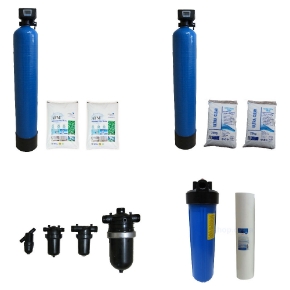
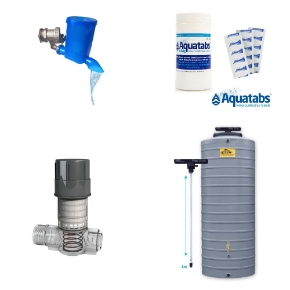
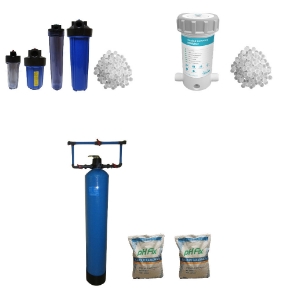
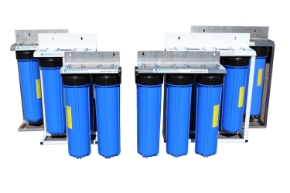
Advanced Series 75 Litre pH Correction (Calcite) Vessels
Low (acidic) pH in water (6.5 and lower) can cause damage to both your household and your wallet.
The pH Correction Systems seek to solve this by raising the pH of the water to either a Neutral (pH of 7) or an Alkaline (pH above 7) level.
Low pH (acidic pH) in water can cause numerous issues for a household, including:
- Blue-Green Staining: As the water dissolves the copper pipes, it carries that copper with it. When this water hits your porcelain sinks, bathtubs, and toilets, it leaves behind stubborn, ugly blue or green stains that are incredibly difficult to scrub out.
- Leaks and Damage to Copper Piping: Acidic water eats away at the copper piping. Over time, it thins the metal until microscopic "pinhole" leaks form in the pipework, causing leaks which can damage floors, walls as well as cause potential mold inside the house.
- Damage to Geysers and Water Heaters: Acidic water can cause corrosion to the metallic components and heating elements over time.
- Dishwashers & Washing Machines: Acidic water degrades internal rubber seals, metallic pumps, and heating coils, leading to premature appliance failure and mysterious leaks.
- Potential Health Issues due to Toxic Metal Leaching: As the acidic water dissolves the copper pipes, the copper is carried off with the water into your drinking water. Drinking water with High levels of copper can lead to several health-related problems.
- Hair and Skin Irritation: Washing in acidic water strips the natural oils from your skin and hair. It can cause chronic dry, itchy skin, worsen conditions like eczema, and even cause chemically treated hair to fade or turn a greenish tint.
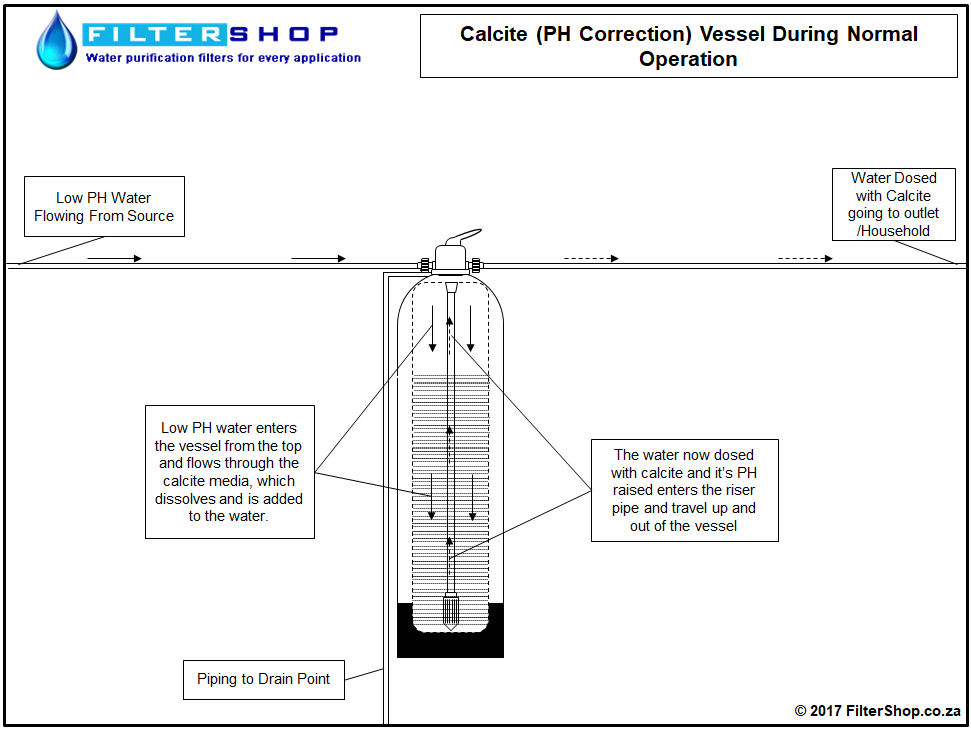
The Vessel is filled with Calcium Carbonate, commonly known as Calcite, as the water flows through the vessel, the calcite dissolves into the water, raising the level of pH in the water to between 7 & 9.
The Advanced Series pH Correction (Calcite) Vessels come with the following:
- 75 Litre / 13*54 FRP Vessel
- 1 x F56A1 Manual Purification Valve
- 3 Bags of Calcite pH Media*
- Set of Top & Bottom Strainers
- Riser Pipe
- Advanced "Blending" By-Pass Pipe Work
- Flow Meters and Pressure Gauges
- Testing Strips (for checking PH levels)
The pH Correction Vessels use the Runxin F56A1 Manual Purification Valve head. Which needs to be manually set to go from Normal Operation (Filtering), to Backwash cycle, then Fast Rinse.
The pH Correction vessels also come with a set of Testing Strips to check pH levels before and after the pH Correction Vessel.
.jpeg)
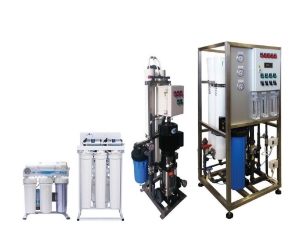
Filtershop also has several other pH Correction (Calcite) Vessel series available:
What is an acidic pH, and how does Calcite work to change it?
Understanding the pH Scale: Acidic, Neutral, and Alkaline:
The pH scale measures how acidic or basic (alkaline) a water-based solution is. It ranges from 0 to 14, with 7 being the dead center.
Acidic pH (0 to 6.9): Water with a pH below 7 is considered acidic. In everyday life, think of lemon juice or vinegar. In-home plumbing, acidic water is "hungry" water—it lacks minerals, making it corrosive. It will gladly leach metals out of your copper pipes, leaving behind those annoying blue-green stains and a metallic taste.
Neutral pH (7.0): A pH of exactly 7 is perfectly neutral—neither acidic nor alkaline. Pure, distilled water sits right here. It is completely balanced.
Alkaline/Basic pH (7.1 to 14): Water with a pH above 7 is alkaline. In nature, this water has usually trickled over rocks and absorbed minerals like calcium and magnesium. While high alkaline water (above 8.5) can cause scale buildup in pipes, a slightly alkaline pH is generally preferred for drinking water.
Enter Calcite: Nature's Neutralizer:
Calcite is a naturally occurring mineral carbonate, essentially crushed white marble or limestone (CaCO₃).
When you have acidic water, it usually contains an excess of dissolved carbon dioxide (CO₂), which forms a weak acid called carbonic acid. Here is exactly how a calcite filter uses that chemistry to raise the pH:
Stage 1. The Dissolving Act
Acidic water is passed through a tank filled with calcite media. Because the water is acidic, it actively dissolves the calcite, absorbing the calcium carbonate into the stream.
Stage 2. Neutralizing the Acid
As the calcium carbonate dissolves, it neutralizes the free carbon dioxide and carbonic acid in the water. Chemically, it looks like this:
The calcite converts the aggressive acid into harmless calcium ions (Ca2+) and bicarbonate (HCO₃⁻), which is a natural buffer.
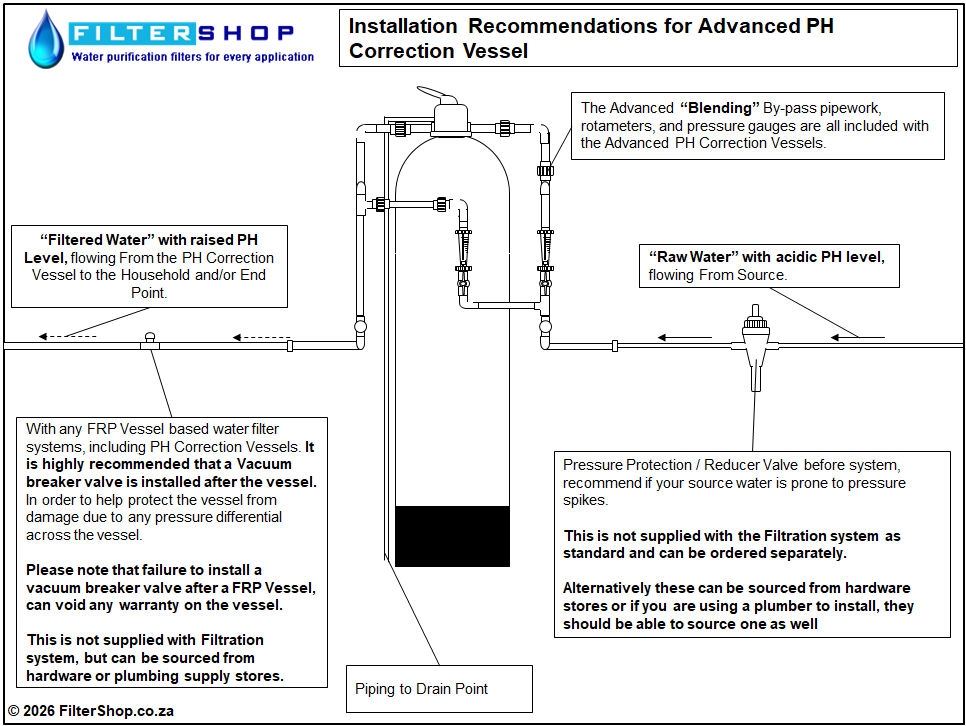
The Advanced "Blending" Bypass Loop
While Calcite is essentially adds calcium (hardness/lime/Kalk) to the water in order to bring up the PH levels. Now, in most cases, the amount of calcium being added is not high enough to make the water suddenly "Hard".
However, it is still possible that if too much calcite is being dosed into the water, the water can become "Hard", and cause lime scale build-up on pipes, geysers, and kettles.
To help ensure that this does not happen, both the Standard and Advanced PH Correction Vessels come with a "Blending" bypass loop. Please note that Filtershop's "Base" pH Correction Vessels do not have the bypass loop, and all the water will go through the Vessel and be treated with Calcite.
 (fittings).jpg)
Instead of treating 100% of the water going through the vessel, and accepting whatever pH the calcite gives you, a bypass loop lets you "dial in" the exact pH and water hardness you want.
A portion of the acidic water goes into the FRP vessel, where the calcite dissolves, neutralizing the acid and raising the pH to around 7.3 to 7.5. This water also becomes rich in calcium (hard water). While the remaining portion of the water flows through a bypass pipe, skipping the calcite altogether remaining an acidic pH.
These two waters will then rejoin and mix, depending on the ratio of water going through the PH Correction vessel, versus the ratio bypassing, you will be able to " tune" the PH level in the final "mixed" water.
The advanced Blending Loop also includes flow meters (rotameters), which allow you to far more accurately "throttle" the flow going through the system, allowing you to fine-tune the exact proportion of water going through the pH correction vessel and bypassing it.
You are also supplied with some test strips, which will help you to monitor the PH and Hardness levels so that you can "fine-tune" the ratio of treated water vs bypass water, so that you can get the desired pH level you want.
Vessel Size vs. Flow Rate Requirements
Please see below for roughly the size of the vessel required for certain flow rates, as well as the number of backs of calcite needed*.
* Please note that this is just a guide; in situations with very low pH or other extenuating circumstances, more calcite and/or a large vessel may be required.
.JPG)
*Please note that the flow rates specified on the Calcite Vessels below are rough estimates; the actual flow rate possible will depend on the source water pH levels and mineral content.
What size pH Correction Vessel should I get?
The Advanced Series pH Correction Vessels come in 3 sizes:
- 50 Litre Advanced Series pH Correction Vessel (Approximate Flow rate: 360 to 730LPH*)
- 75 Litre Advanced Series pH Correction Vessel (Approximate Flow rate: 600 to 1200LPH*)
- 100 Litre Advanced Series pH Correction Vessel (Approximate Flow rate: 700 to 1400LPH*)
Not sure which size pH Correction Vessel to get for your water and application? Contact Filtershop, and we will be happy to guide you on the best size unit for your application.
*While the pH Correction vessels do have a liter per hour flow rating, this is only meant as a guide. In situations with extremely acidic water, the flow rate may be much lower.
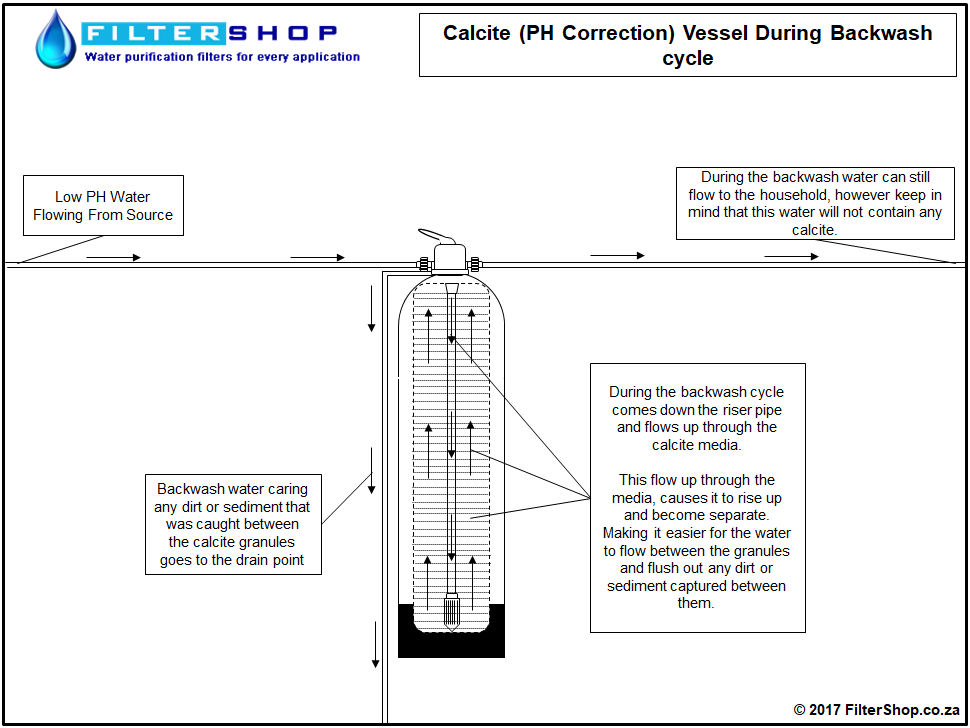
How does it work?
Installation Recommendations for Advanced pH Correction Vessels
How to use the Manual F56A1 Purification Valve Head
The PH Correction Vessels use the Runxin F56A1 Manual Purification Valve head. Which needs to be manually set to go from Normal Operation (Filtering), to Backwash cycle, then Fast Rinse.
.jpeg)
Warranty*:
The pH Correction Media Vessels come with a 1-year* Warranty. Please note that the warranty does not cover the PH Correction media, as its life span is completely dependent on the level of media you are trying to add to the water, as well as the amount litres per hour / per day that are flowing through the vessel system.
*Please note that the warranty does not cover damage caused by mishandling, improper installation, or in situations where the max operating parameters for the product are exceeded.
**Please note that with any FRP Vessel-based water filter systems. It is highly recommended that a Vacuum breaker valve be installed after the vessel. To help protect the vessel from damage due to any pressure differential across the vessel. Failure to install a vacuum breaker valve after a FRP Vessel will void the vessel's warranty.
***The Filtration Vessels Components are rated for a maximum pressure of 6 bar (90psi). If your source water has higher pressure or is prone to "water hammering" ( pressure spikes), it is strongly recommended that a pressure regulator/reducer be installed before the system. Failure to do so will void any warranty on the components for any damage caused by water pressure.
Additional Options:
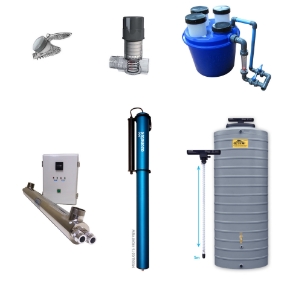
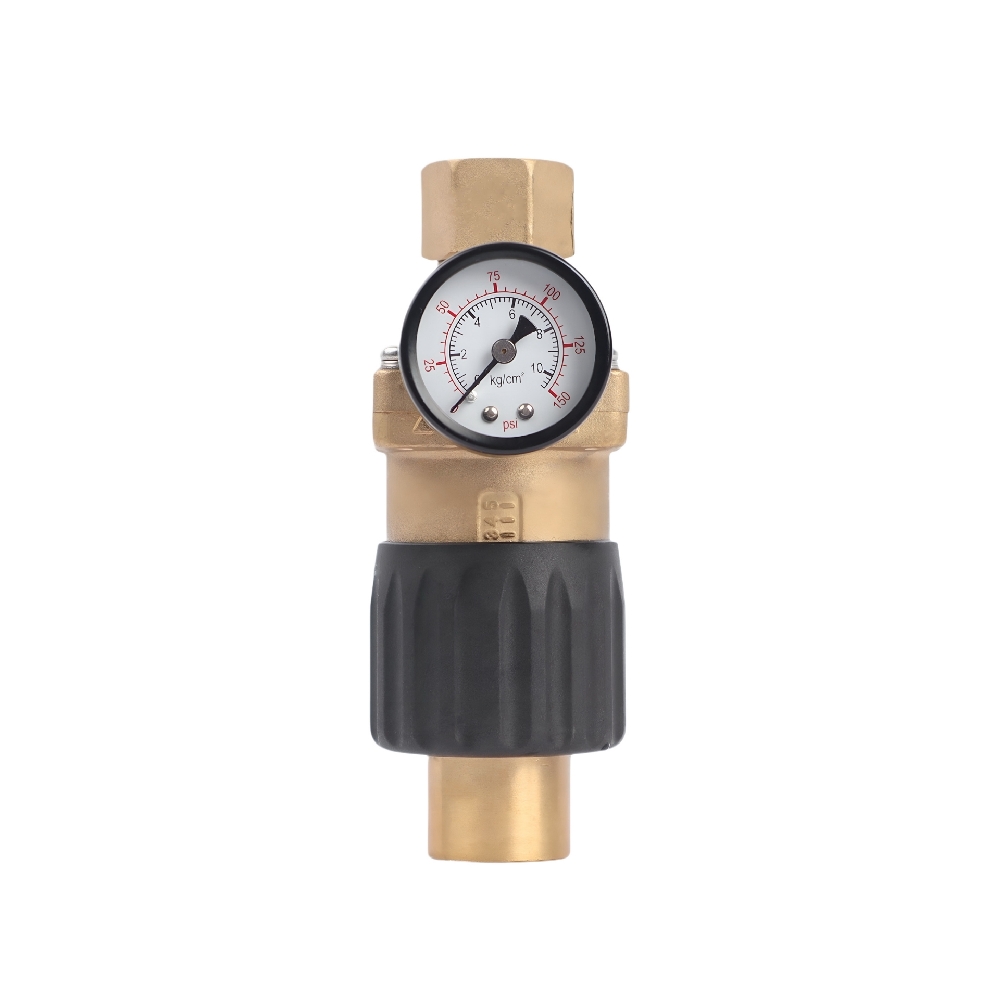
Runxin Brass Reducing Valve with Pressure Gauge
The Runxin PRV is designed to automatically reduce a higher inlet pressure to a steady lower downstream pressure, regardless of fluctuations in flow rate or inlet pressure. This ensures that downstream components receive water at a consistent pressure, enhancing system efficiency and longevity.
Constructed with high-quality materials, the valve offers durability and resistance to corrosion, making it suitable for long-term use in various environments. Its compact design allows for easy integration into existing systems without requiring significant modifications.
The valve operates effectively within a pressure range of 2 to 6 bar (0.2 to 0.6 MPa) and a temperature range of 5°C to 50°C, accommodating a wide array of water treatment applications. Whether used in reverse osmosis (RO) systems, filtration setups, or general water supply networks, the Runxin PRV delivers reliable performance.
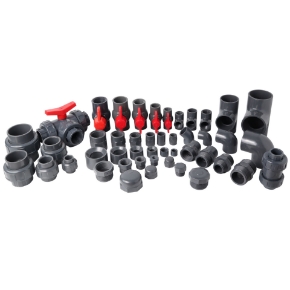
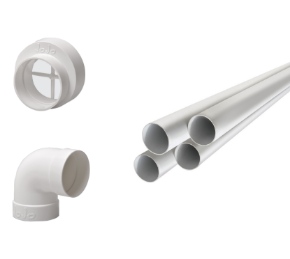
PVC Threaded and Glue Fittings
PVC(Polyvinyl chloride) fittings are used to connect sections of pipes or tubes, adapt to different sizes or shapes, and control the flow of water. There are two predominant types of PVC fittings, namely PVC Glue Fittings and PVC Threaded Fittings. The difference between the two is that PVC Glue Fittings result in permanent joints and PVC Threaded Fittings are semi-permanent and can be replaced. PVC Glue fittings are joined with primer and cement- a chemical solvent that melts the surface of the PVC and then quickly re-hardens to fuse the pieces together. This results in an airtight, leak-proof bond similar to what you get with welding metal. An example of such a fitting is a PVC Glue Reducing Socket which is used to join together two pieces of PVC pipes with different diameters. Another example would be a 90 Degree Elbow which is used to connect two pipes of the same diameter at an angle of 90 degrees.PVC Threaded fittings utilise a simple threaded connection whereby replaceable 'male threaded' are screwed into 'female threaded'.Male threads have a thread on the outside of the fitting and female threads have a thread on the inside. When you thread the fitting in, it compresses against the other threads.PTFE tape is used to thread these together and the proper way to assemble threaded fittings is to finger-tighten, then add one to two turns but no more. An example of a threaded fitting is a Reducing Nipple Male Threaded which is used to connect between two female threads of different diameters.
Link To PVC Fittings